Transform Your Employees' Everyday Work
Diagnosis – Objectives - Action plans – Implementation – Results and Maintenance — Needs relating to physical activity, sport and wellbeing. We support Swiss organisations in implementing sustainable solutions.
Key steps
Tailored support
Support in planning and implementing your approach
SAW can also support you …..
Tailor-made Programmes
- Talk with one of our experts
- Have a diagnosis carried out
- Information webinars on the approach, the benefits and potential pitfalls
- Presentations to company Management
- Take part in discovery days
- Etc.
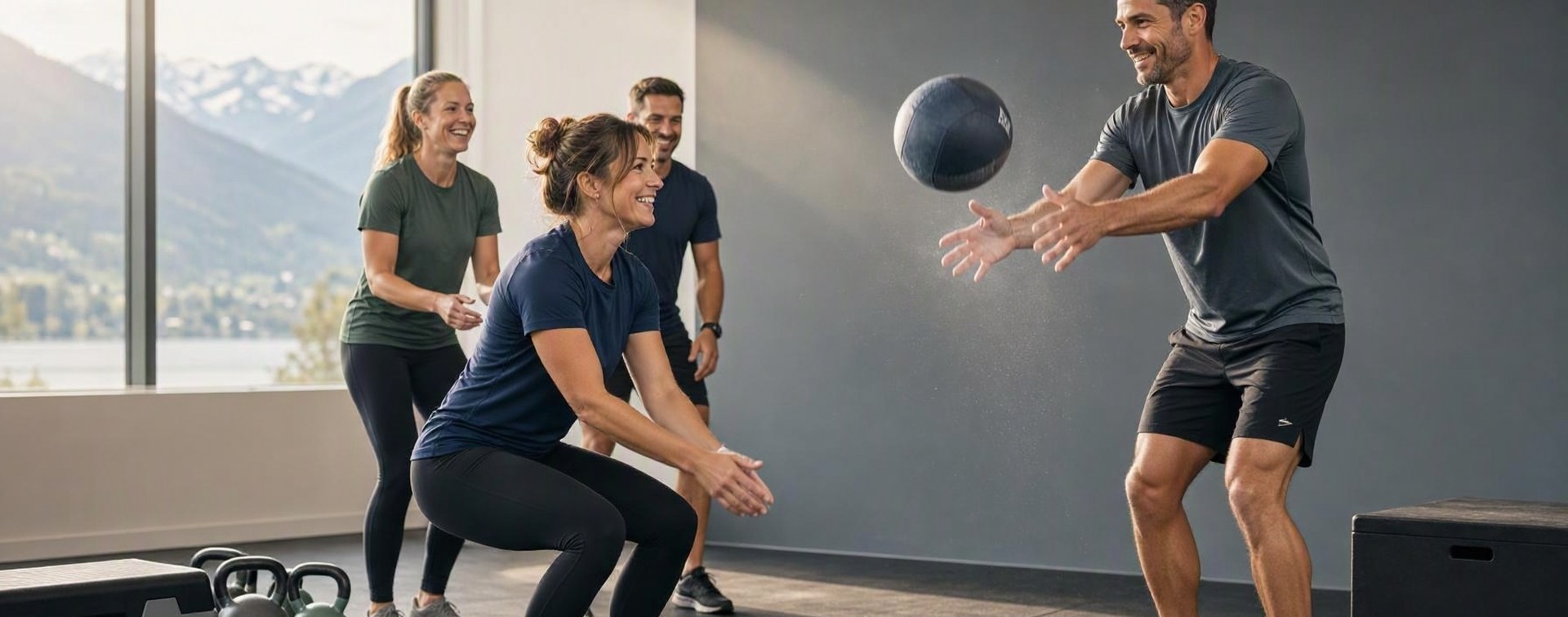
Sport & Physical Activity at Work
Programmes tailored to your company and its business lines
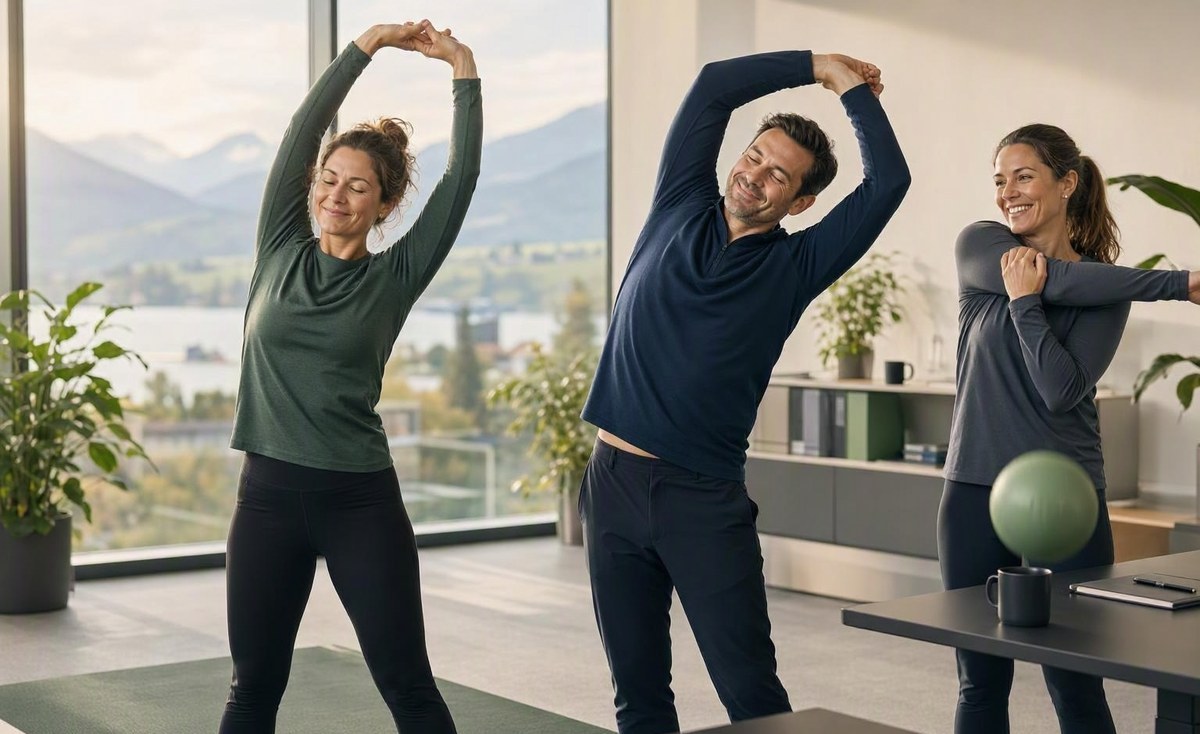
Active Breaks & Postural Ergonomics
Guided 10 to 15-minute modules to combat screen sedentariness, relieve neck tension and boost concentration.
Office & Remote Work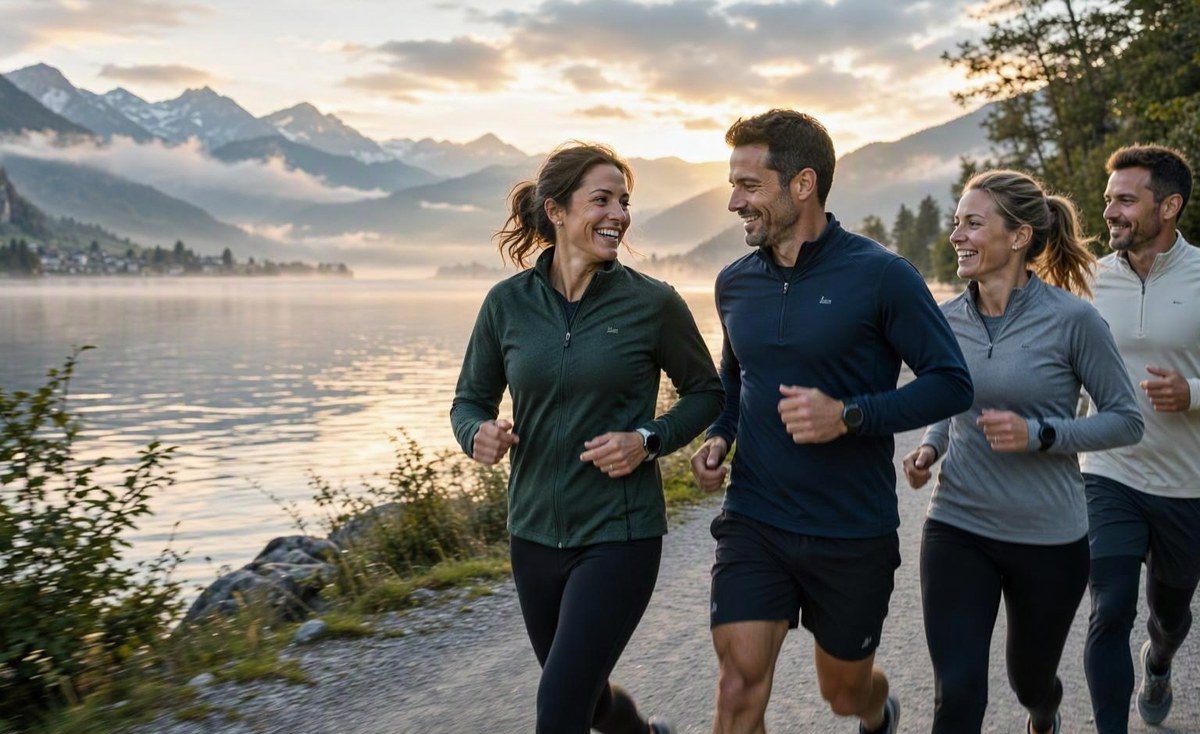
Inter-company Walking & Running Groups
Organised midday slots accompanied by certified coaches, with progressive preparation for Swiss popular races.
Outdoors & Fresh Air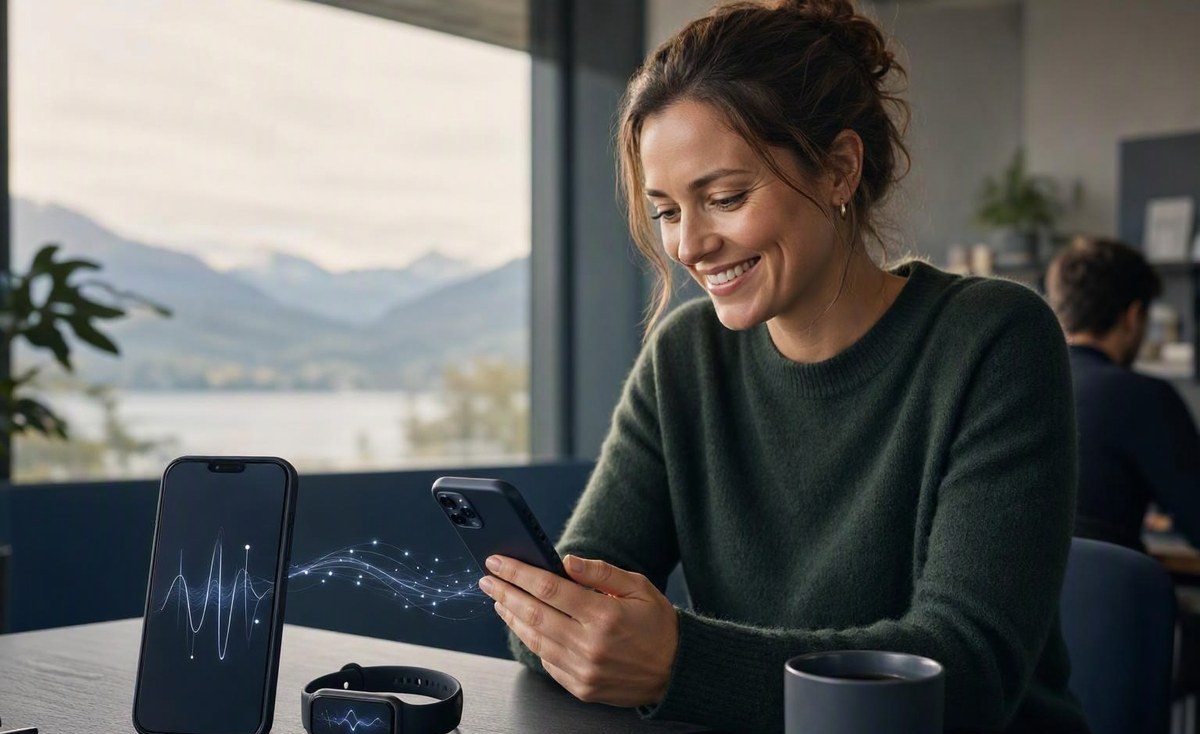
Connected Challenges « Steps & Movement »
Fun challenges on a Swiss mobile app, promoting team cohesion and rewarding accumulated steps for charitable associations.
CSR Gamification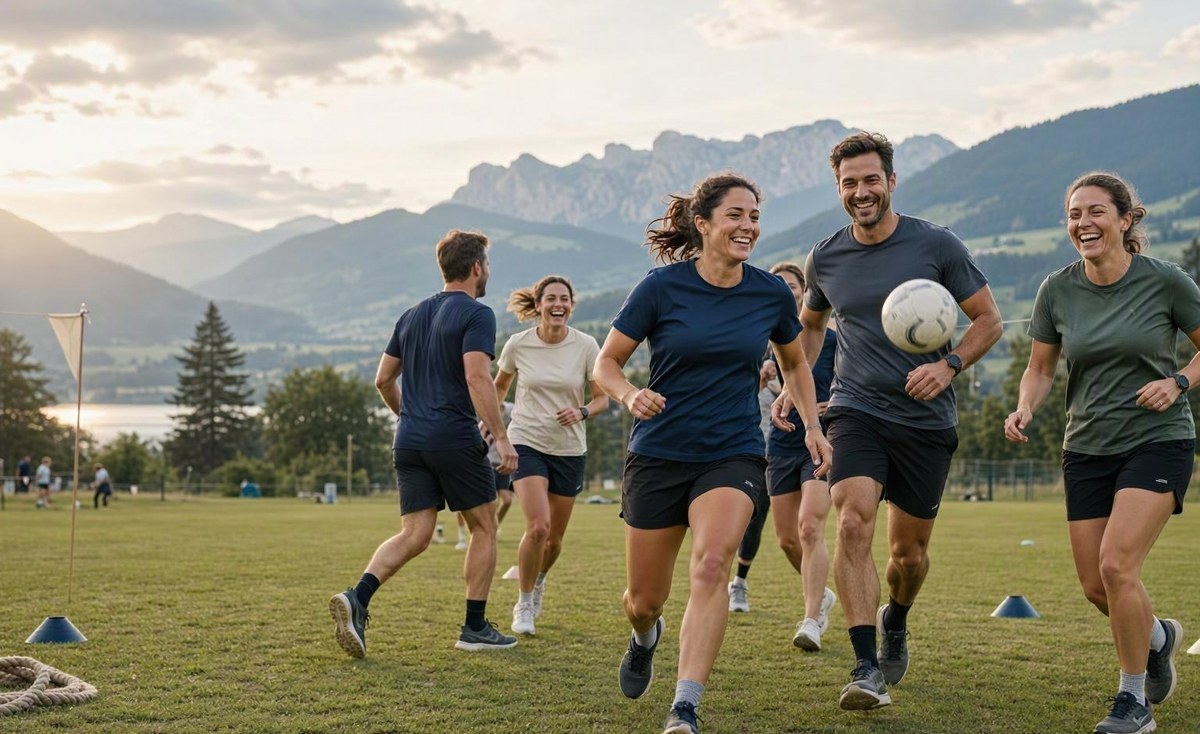
Team Building & Olympic Days
Tailor-made festive events (multi-sport tournaments, disability sport tasters, company olympics) to strengthen belonging.
Team CohesionActive breaks
Micro-sessions at the office
Company running
Clubs & outings
Connected challenges
Inter-company challenges
Team building
Cohesion & team cohesion
CSR programmes & initiatives
Make your employees' wellbeing a concrete strategic priority.
Sport & Physical Activity
- Tailor-made physical activity programmes
- Access to company sport competitions
- Promoting movement in everyday life
- Improving physical and mental wellbeing
Employee Wellbeing
- Reducing stress and absenteeism
- Engagement and job satisfaction
- Team cohesion strengthened by sport
- Retention and employer attractiveness
Best Practices & Shared Actions
- Sharing experiences between members
- Benchmarking and quality standards
- Exchange of proven methodologies
- Collaborative innovation in workplace wellbeing
CSR & SDG Impact
- Alignment with the sustainable development goals
- Measurable contribution to overall wellbeing
- Integrating sport into the CSR strategy
- Anchoring in the Swiss economic network
Among the best practices identified for physical activity and sport in the workplace
- identify the needs, wishes and expectations of stakeholders
- ensure leadership from the top
- analyse the company's context and specificities
- plan and implement events / programmes / activities
- evaluate, track and measure results and progress
Connect beyond your company
The company can also connect with other local initiatives (for example Active Schools, Active Cities, CSR, etc.).
By joining SAW, the company gains access to national and European networks to exchange with other companies in other national federations and to access events organised around themes related to physical activity and sport in the workplace.
Practical guide & Toolkit
Methodological toolkit and impact studies, scientific evidence
PHYSICAL ACTIVITY, SPORT AND WELLBEING, ESPECIALLY IN THE WORKPLACE
Toolkit and guides (last updated October 2026)
2. Physical activity recommendations in Switzerland – Federal Office of Sport (FOSPO), hepa.ch network
Swiss document
https://www.hepa.admin.ch/fr/recommandations-en-matiere-dactivite-physique →3. ACTIZ
Excellent Canadian site full of information, tips, tools, etc. to promote and implement physical activity in the workplace
- Physical activity at work: a tool to assess your results
- 6 ways to encourage physical activity and productivity in the office
- Tool to assess the impact of workplace physical activity measures
- Etc.
4. Boosting Workplace Performance Through Physical Activity
How can physical activity improve wellbeing and productivity in the workplace?
This online course is aimed at HR managers, executives and decision-makers seeking to improve organisational performance through evidence-based workplace wellbeing strategies.
5. Move at Work – European Erasmus+ research project (2023 – 2025)
- A three-year project to promote physical activity and sport in the work environment
- Develop tools that promote and raise awareness of the benefits of implementing physical activity in the workplace
- Support public and private organisations in integrating physical activity strategies into their company policy
- Consolidate the active workplace certification and adapt needs based on end-user analysis
The Move@Work online course is designed especially for company executives and organisational leaders who wish to set up effective company sport and workplace physical activity programmes. It offers practical insights into the benefits of active workplaces and proven strategies to promote employee wellbeing, productivity and engagement.
https://moveatwork.eu/ → · Move@Work online course →6. Work, Move and Perf – European Erasmus+ research project – January 2024-December 2025
- Analyse companies' needs, obstacles and demands regarding physical activity in the workplace.
- Measure the effects of sport on work performance through qualitative and quantitative studies
- Provide online educational tools for company decision-makers, sport ambassadors and public authorities.
- Create a « European Observatory of Company Sport » and a « Company Sport Supporters Network »
Work, Move & Perf – quantitative study: key figures
Reducing absenteeism and presenteeism
- 15–27% reduction in absenteeism thanks to physical activity (PA) programmes
- 5–10% of productivity lost to presenteeism on the annual salary
- €180–€250/day average cost of one day of absence per employee, including wages, benefits and productivity losses.
- 11–15% less absenteeism and 9–12% less presenteeism are observed among workers who reach the WHO-recommended 1200 METs/week, improving productivity and reducing company losses.
- 1–1.5 days fewer absences per year and per employee can be achieved through corporate wellbeing programmes integrating daily movement, representing measurable economic gains
Increased individual productivity and wellbeing
- active breaks of 5 to 10 minutes: workers who took 5 to 10-minute active breaks during the working day reported improvements in processing speed, vigilance and emotional regulation
- 64% of participants practising regular physical activity reported feeling « more energetic and focused » during working days, compared with inactive employees
- 30-40% fewer workplace accidents and less absenteeism thanks to the introduction of company sport
Strengthened team cohesion and motivation
- 59% of employees with a high level of physical activity report higher job satisfaction and engagement
- 18–22% increase in psychological wellbeing (WHO-5 index) is observed among employees reaching ≥1200 MET-min/week.
- 15–20% more happiness at work and affective engagement among active employees.
- 70% of employees involved in company sport report more energy, concentration and motivation throughout the working day.
- 4 out of 5 organisations that implement company sport initiatives report stronger team cohesion, improved collaboration and better employee retention.
Impact on overall company performance
- 10–18% productivity improvement rate following physical activity (PA) programmes.
- 6 months is the average time to reach a positive return on investment (ROI) through company sport programmes, mainly due to lower absenteeism and improved morale
- €3-€6 saved per €1 invested: the estimated return on investment (ROI) of PA programmes, especially in organisations benefiting from regular programme monitoring and management support.
- 4% to 14% represents the increase in company profitability linked to practising physical activities and sports organised by the company.
Sources — Salvador Angosto & Guillermo Felipe López-Sánchez, Work, Move & Perf (WMP) quantitative study, D3.1, 2025. · Kitano et al., 2025 · Braun et al., 2022; Chandrakumar et al., 2024; Tarro et al., 2020. · Hunter et al., 2016; Braun et al., 2022. · Casimiro-Andújar et al., 2022; Halling Ullberg et al., 2023. · Hervieux et al., 2023; Hallam et al., 2023. · Gatel, Cormier-Bouligeon, 2019. · Generali and OpinionWay, 2018. · Bouwmans et al., 2015.
Disclaimer: Funded by the European Union. However, the opinions and views expressed are those of the author(s) only and do not necessarily reflect those of the European Union or the European Education and Culture Executive Agency (EACEA). Neither the European Union nor the EACEA can be held responsible.
7. Companies: Assess the economic impact of your sports initiatives
goodwill-management.com →8. Active Employee Toolkit - Sport England
This toolkit is designed to help you support your employees to stay active over the coming weeks and months. It provides advice, tips and shareable resources to help your teams build more movement into their working day.
www.sportengland.org — Active Employee Toolkit →9. Physical activity at work: benefits for all – Kino Québec
urls-bsl.qc.ca — Toolkit →Questions? Contact : info@saw-federation.ch
Studies & Scientific Data
A SELECTION OF REFERENCE DOCUMENTS, ARTICLES AND SCIENTIFIC PUBLICATIONS* (last updated October 2026)
1. Insights on European Companies’ current practices, challenges and needs in order to provide physical activities in the workplace* — Erasmus+ project Move@Work : Deliverable 2.1 (2023)
Study summary — Executive summary (extract)
Representatives of 20 companies/federations/ministries or municipalities of different nationalities were interviewed: five Danish, 4 Dutch, 6 French, 2 Belgian and 3 Swiss companies. SMEs as well as large companies were represented and, where possible, interviews were split into separate SME and large-company groups.
Key findings
- Physical activity is more than physical exercise and sport, and yet many companies have a limited and narrow understanding of physical activity (often equating it with sport or organised exercise), which makes it harder for them to implement more strategic workplace initiatives.
- The social aspects of physical activity matter to companies. For some, these factors are even more important than the health benefits. Physical activity (often equated with sport) is perceived by companies as fostering new relationships, cohesion and team spirit, belonging to the company, networking, the smoothing over of undesirable hierarchical status, and the development of leadership skills by employees.
- Company culture and values have a major impact on how companies integrate physical activities. Many companies attach importance to flexibility, volunteering and their employees' work-life balance. Some participants feared that introducing physical activities in the workplace could compromise these values.
- Some companies do not prioritise physical activities, as these are not part of their « raison d’être ». Others emphasise that they will invest in their employees' health, health being an asset the company will draw on to develop and grow.
- Evaluation is « là où ça coince » [where it gets stuck]. One challenge is knowing what to measure regarding participation in physical activity, how to measure it and why. Many companies have plenty of ideas on how to better support their employees' health. But they find evaluation and monitoring difficult and very time-consuming.
A few recommendations
- Promote physical activity as more than « just » sport
- Implement physical activity during office hours in employees' daily tasks
- Work with a captain or ambassador for physical activity promotion – social engagement increases participation
- Integrate and adapt physical activities to company culture and company values for long-term success
- Integrate physical activity as well as employee health and wellbeing as a crucial aspect of running the business (in motion)
- Provide companies with easy-to-apply monitoring and evaluation procedures
- Connect European companies to share knowledge and experience in the field of physical activities in the workplace
2. Eurobarometer 2026* – European Commission (September 2026)
Study summary
The Eurobarometer special survey on sport and physical activity is a series of in-depth thematic opinion surveys — in this case on sport and physical activity — through face-to-face or online interviews with a representative sample of the population in all EU Member States. The results allow the Commission to track trends over time, compare the situation between Member States and contribute to EU policy-making. The current survey is the sixth edition of the Eurobarometer special on sport and physical activity, the previous edition having been carried out in 2022. The Commission actively promotes sport and physical activity, recognising their fundamental role in physical and mental wellbeing. Regular and adequate physical activity is proven to bring substantial health benefits; it helps prevent, manage and recover from non-communicable diseases (NCDs), including cardiovascular diseases, cancers, diabetes and mental health disorders. Nevertheless, as the Eurobarometer survey reflects, sedentariness remains a major challenge across the EU.
Key findings — Practising physical activity
- The share of citizens who exercise several times a week has risen to 38% (up 6 percentage points), while the share of those who exercise almost daily has risen to 9% (up 3 percentage points). At the same time, the share of Europeans who never exercise or play sport has fallen from 45% in 2022 to 39% this year.
Where people are active
- Parks and outdoor spaces remain the most popular setting for exercise (47%, stable since 2022), followed by health and fitness facilities (from 33% to 39%) and active travel (from 24% to 37% — the biggest rise of all categories). Walking for at least 10 minutes at a stretch is now reported by 72% of citizens, a significant rise compared with 16% in 2022.
The mental health and wellbeing case for physical activity
- Health and wellbeing benefits remain the main drivers of engagement, while practical constraints limit participation.
- Improving or maintaining physical health (44%) and relaxing (39%) remain the top two personal motivations for physical activity, ahead of improving physical performance (30%) and getting from place to place (30%). Improving mental health or reducing stress is cited by 26% of respondents.
3. Job Stress Index
friendlyworkspace.ch — Job Stress Index study →4. Workplace physical activity practices in real life: a scoping review of grey literature for small- and medium-sized enterprises
Ilkka Väänânen et al — European Journal of Public Health 2022
5. Copenhagen consensus statements on workplace health enhancing physical activity programmes – Adam B. Evans et al
European Journal for Sport and Society – February 2025
moveatwork.eu — Copenhagen consensus statements (PDF) →6. Europe’s champion sitters* – The Guardian newspaper article (Sunday 17 March 2024)
Study summary (full text — full link unavailable)
Europe’s champion sitters: Even the sporty Dutch are falling victim to ‘chair-use disorder’ — Senay Boztas in Amsterdam, The Guardian, Sunday 17 March 2024
Sitting for long hours at desks and on sofas leads to 21,000 deaths a year in the Netherlands from cardiovascular disease, diabetes and cancer. The Dutch are perceived as a nation of healthy giants, jumping on their bikes to pedal energetically across the plains. But new research suggests they are in fact the « champions de l’assise d’Europe » [Europe's champion sitters], with a sedentary lifestyle that causes thousands of premature deaths. Health experts are calling for urgent action to stop the so-called « trouble de l’usage de la chaise » [chair-use disorder] from spreading in Western countries. A report by the research organisation TNO, published on Friday, found that sitting for too long costs the Netherlands 1.2 billion € (1 billion £) a year and causes 21,000 premature deaths a year from cardiovascular disease, type 2 diabetes and cancer. It is riskier, the researchers found, to be a lawyer than a truck driver.
« We are the European champions of sitting », said Leonard Hofstra, a cardiologist, who described excessive chair use as an addiction. « Sitting is bad for us because blood circulation stagnates. When you exercise, thousands of miles of blood vessels in your body generate a substance called nitric oxide – one of the healthiest substances you can imagine. It dilates the blood vessels, so blood circulation increases, it prevents bad cholesterol from getting worse, it prevents clot formation and inflammation: that is the impact of exercise on our health. So it is a very bad thing to have as a country. »
TNO believes office sitting culture is damaging enough to constitute an occupational risk and urges employers to introduce exercise breaks, use standing desks and hold « réunions marchées » [walking meetings]. « The Netherlands and the UK are comparable, although here in the Netherlands the percentage of people sitting more than eight hours a day is 64%, so nearly two-thirds of our population is at risk », said researcher Lidewij Renaud. « It is an individual problem but also a societal one. » The reason is not necessarily too little formal exercise because, unlike the British, the Dutch are among the most sporting nations in Europe. The question is what people do the rest of the time.
In 2022, workers in the Netherlands sat for an average of 8.9 hours a day, more than half of it during working time (and one hour for commuting). Lawyers, economists and IT specialists are champion sitters, totalling 7.3 hours a day – even more than truck drivers with 7.2 hours. A Eurobarometer survey found that 26% of Dutch people over 16 sat for more than 8.5 hours a day – well above the EU average of 11%. Reducing this figure by a quarter could prevent 5,200 « sitting deaths » a year, according to TNO, which based its calculations on a British methodology.
The problem, which is linked to the prevalence of jobs in the service sector, appears to have worsened following the rise in homeworking after the pandemic, as well as because of technology – from home entertainment to ultra-fast delivery services – that brings the essentials to your sofa. Earlier this year, the Dutch sports council urged the government to get people standing up more. Erik Scherder, a council member and professor of neuropsychology at the Vrije Universiteit Amsterdam, says physical exercise also acts on the brain. He invites his students to do three minutes of squats for every half hour of class. « If children sit all day at school and play [computer] games at home instead of playing outside, that is alarming », he said. « The networks in your brain involved in motor function show a large overlap with those involved in mathematics and language comprehension. If you neglect physical function, you really harm the development of your other functions. »
7. European Union Physical Activity Guidelines - Recommended Policy Actions in Support of Health-Enhancing Physical Activity (2008)*
Study summary
A comprehensive document designed to help government agencies and private bodies work together to promote physical activity, including examples of good practice and recommendations (guidelines). It was approved by the EU « Sport & Santé » working party at its meeting on 25 September 2008 and subsequently adopted by all EU Member States. Along with a few examples of good practice (Luxembourg, United Kingdom), a short section (§ 3.5) on the « Environnement de travail » [work environment] sets out 2 key recommendations:
- Guideline No. 33 – In their agreements, employers and trade unions should include requirements for the workplace that facilitate a physically active lifestyle. Examples of such requirements: (1) access to properly equipped indoor and outdoor exercise facilities; (2) the regular availability of a physical activity professional for group exercise activities as well as individual advice and instruction; (3) support for workplace-related sports participation; (4) support for the use of cycling and walking as a means of transport to and from the workplace; (5) if work is monotonous or strenuous to the point of involving an increased risk of musculoskeletal disorders, access to exercises specifically designed to counter these conditions; (6) a work environment that is conducive to physical activity.
- Guideline No. 34 – National health certificates could be awarded to workplaces where a healthy and physically active lifestyle is a top priority.
8. Effects of sport and physical activity during working time on health and productivity (June 2020)
bag.admin.ch — Faktenblatt Bewegungsförderung am Arbeitsplatz (PDF) →9. Panorama and state of the art: diversity and sports in the workplace* — Deliverable of the Erasmus+ research project Run4diversity 2022
Study summary
A European research project led by the Fédération française du sport d’entreprise (FFSE) based on a national pilot experiment running since 2014. The specific objectives of this report are:
- Define the concept of diversity and how to address social inclusion issues.
- Study the situation of diversity and inclusion in the workplace by country.
- Review the literature on diversity and inclusion, both in sport and in the workplace.
- Present benchmark success stories and good practices around physical activity, exercise and sport to promote diversity and inclusion in the workplace in member countries.
Questions? Contact : info@saw-federation.ch
QWL Study 2026
Scientific study
Sport & Health White Paper
References
Active Breaks Guide
Operational kit
Ready to Get Your Company Moving?
Join the Federation today and benefit from the personalised support of our federal experts.
Concierge SAW
Official Swiss Federation Assistant